Blog
ALM Integration Services: Seamless Data and Workflow Alignment
In today’s hyper-connected software ecosystem, development teams rely on a multitude of tools — from requirement management and source control to testing and deployment —

In today’s hyper-connected software ecosystem, development teams rely on a multitude of tools — from requirement management and source control to testing and deployment —

In heavily regulated industries such as automotive, aerospace, healthcare, and financial services, compliance is not optional — it’s mission-critical. Every software change, requirement update, or test result must be

In today’s fast-paced, technology-driven world, the software development process has evolved into a complex, multi-layered ecosystem. Enterprises are no longer building isolated applications — they
In today’s fast-moving digital landscape, organizations depend on efficient and reliable software delivery to maintain competitiveness, ensure compliance, and meet customer expectations. However, as development ecosystems become
In today’s digital-first environment, businesses depend on technology for everything — from customer experience to product delivery and internal collaboration. As organizations scale and IT
As digital ecosystems become increasingly complex, traditional IT operations can no longer keep pace with the scale, speed, and demands of modern business. IT teams

In today’s fast-paced digital world, organizations must constantly evolve — deploying new technologies, updating systems, and improving processes to remain competitive. However, every change in
In the digital era, where software drives every business process, efficient application development and delivery have become essential to success. Enterprises today juggle multiple tools,
Implementing IT Service Management (ITSM) is no longer an option — it’s a necessity for organizations aiming to thrive in a digital economy. With IT

In an era where technology underpins every aspect of business operations, delivering reliable, efficient, and user-centered IT services has become a competitive advantage. Organizations today

In the fast-evolving world of digital transformation, organizations depend on structured frameworks to deliver reliable and efficient IT services. As companies modernize their operations with
Data is the lifeblood of modern enterprises. As organizations transition to the cloud, data migration and backup strategies are critical to ensure business continuity, regulatory
As organizations migrate to the cloud, provisioning and configuration management become critical pillars for operational efficiency, cost control, and security. Proper provisioning ensures that cloud
Cloud adoption has transformed how organizations deploy IT resources, enabling scalability, flexibility, and innovation. However, without careful cost optimization and operational management, cloud spending can
Cloud migration is the process of moving applications, workloads, and data from on-premises infrastructure to cloud environments. It is a critical step in modern IT
The landscape of IT service management is evolving at an unprecedented pace. With multi-vendor environments, cloud adoption, Agile, and DevOps practices, enterprises face both challenges
Cloud computing has transformed the way organizations operate, enabling flexibility, scalability, and rapid innovation. However, successful cloud adoption is not just about technology—it requires a

Implementing Service Integration and Management (SIAM) is more than connecting multiple vendors—it’s about orchestrating complex ecosystems to deliver consistent, high-quality services aligned with business goals.
Implementing Service Integration and Management (SIAM) offers immense benefits for enterprises managing multiple vendors and complex IT ecosystems. However, SIAM is not without its challenges.
The digital era has transformed enterprise IT. Organizations no longer operate in isolated IT silos; instead, services span cloud platforms, SaaS applications, internal systems, and
In today’s complex IT environments, organizations often rely on multiple service providers — including internal teams, third-party vendors, and cloud platforms — to deliver business-critical
In today’s digital enterprise landscape, service delivery rarely depends on a single provider. Most organizations work with multiple internal teams and external vendors to manage
In today’s technology-driven world, embedded systems power everything from automobiles and medical devices to industrial IoT machines and consumer electronics. At the core of these
The embedded systems industry is under unprecedented pressure. From automotive ECU development to medical device firmware and industrial IoT controllers, products are becoming more software-driven,
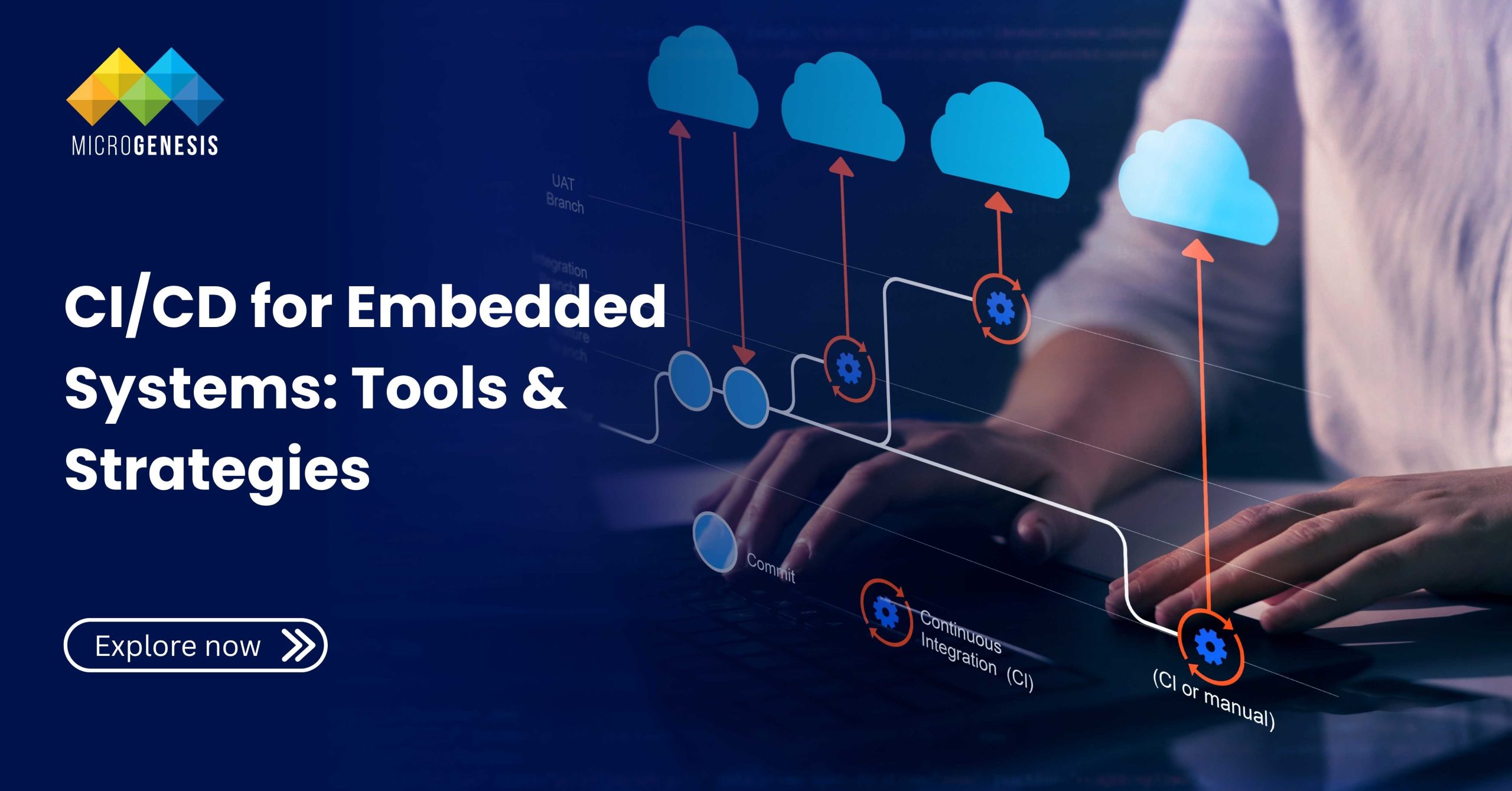
The rise of connected devices, automotive electronics, and industrial IoT has put embedded software at the center of innovation. But while enterprise software teams have
In today’s highly competitive digital landscape, organizations must continuously evolve to meet customer expectations, innovate rapidly, and remain agile. Digital transformation is no longer optional—it
DevOps adoption promises faster software delivery, improved collaboration, and higher-quality products. However, many organizations face challenges implementing DevOps effectively due to cultural, technical, and operational
In modern software development, speed and reliability are non-negotiable. Organizations must deliver features faster while maintaining stability, security, and scalability. This is where DevOps automation
1. Introduction: Why Metrics Matter Agile Application Lifecycle Management (ALM) focuses on delivering value quickly while maintaining high quality. However, achieving true agility requires more
Introduction In today’s fast-paced digital world, organizations rely heavily on DevOps to deliver software faster, with better quality, and greater efficiency. But adopting DevOps practices
Introduction: The Enterprise Agile Challenge Agile principles have transformed how software teams deliver value, but scaling these practices across an enterprise is far more complex.
1. Introduction: From Agile to DevOps Agile has fundamentally changed how software teams operate. It promotes iterative development, rapid feedback, and adaptive planning, allowing teams
In today’s fast-paced software development landscape, delivering high-quality products quickly is more critical than ever. Manual testing alone can no longer keep up with the
In Agile software development, speed and flexibility are critical — but so is quality. While Agile focuses on delivering incremental value quickly, it can be
In today’s fast-paced digital economy, enterprises face the dual challenge of delivering high-quality applications faster while maintaining regulatory compliance and traceability. Traditional Application Lifecycle Management
1. Introduction Nordic enterprises operate in digitally advanced, compliance-intensive environments. Factors such as GDPR, complex vendor ecosystems, and growing demand for proactive IT support have
Agile Application Lifecycle Management (ALM) promises faster delivery, stronger collaboration, and higher quality by integrating Agile principles into the entire software lifecycle. It aligns requirements,
The MedTech sector in the Nordics is thriving. Renowned for innovation, patient-centric care, and strong public health systems, Nordic countries are at the forefront of
Managing IT services has never been more complex. Across Europe, organizations are increasingly moving away from single-provider outsourcing models and adopting multi-vendor ecosystems to drive
Across Europe, sustainability has become more than a corporate buzzword — it’s a legal, social, and competitive imperative. Governments are enforcing climate targets, investors are

Outsourcing managed services has become a strategic necessity for European enterprises. Whether it’s IT infrastructure, cloud operations, cybersecurity, or application management, managed services allow businesses

In today’s hyperconnected world, data is both the most valuable business asset and the most tightly regulated one. Nowhere is this more evident than in
In the fast-moving world of digital products, speed can mean the difference between market leadership and irrelevance. Businesses are under constant pressure to release applications
In today’s software-driven world, no application operates in complete isolation. Users expect apps to connect with payment systems, social networks, analytics platforms, cloud services, and
In 2025, application modernization is no longer optional—it is essential for organizations looking to stay competitive, improve efficiency, and meet the evolving demands of users
Enterprises worldwide face the challenge of modernizing legacy applications to stay competitive, scalable, and responsive. Two common strategies are refactoring and replatforming. Both aim to

As digital transformation accelerates across industries, product engineering is no longer just about performance and features—security has become mission-critical. Whether building smart devices, embedded systems,
Best Practices Guide for 2025 and Beyond As product engineering becomes increasingly digital and interconnected, securing the systems, tools, and data that drive innovation has
Sweden and its Nordic neighbors—Finland, Norway, and Denmark—have emerged as global leaders in green manufacturing. Their deep-rooted environmental values, stable governments, and commitment to innovation
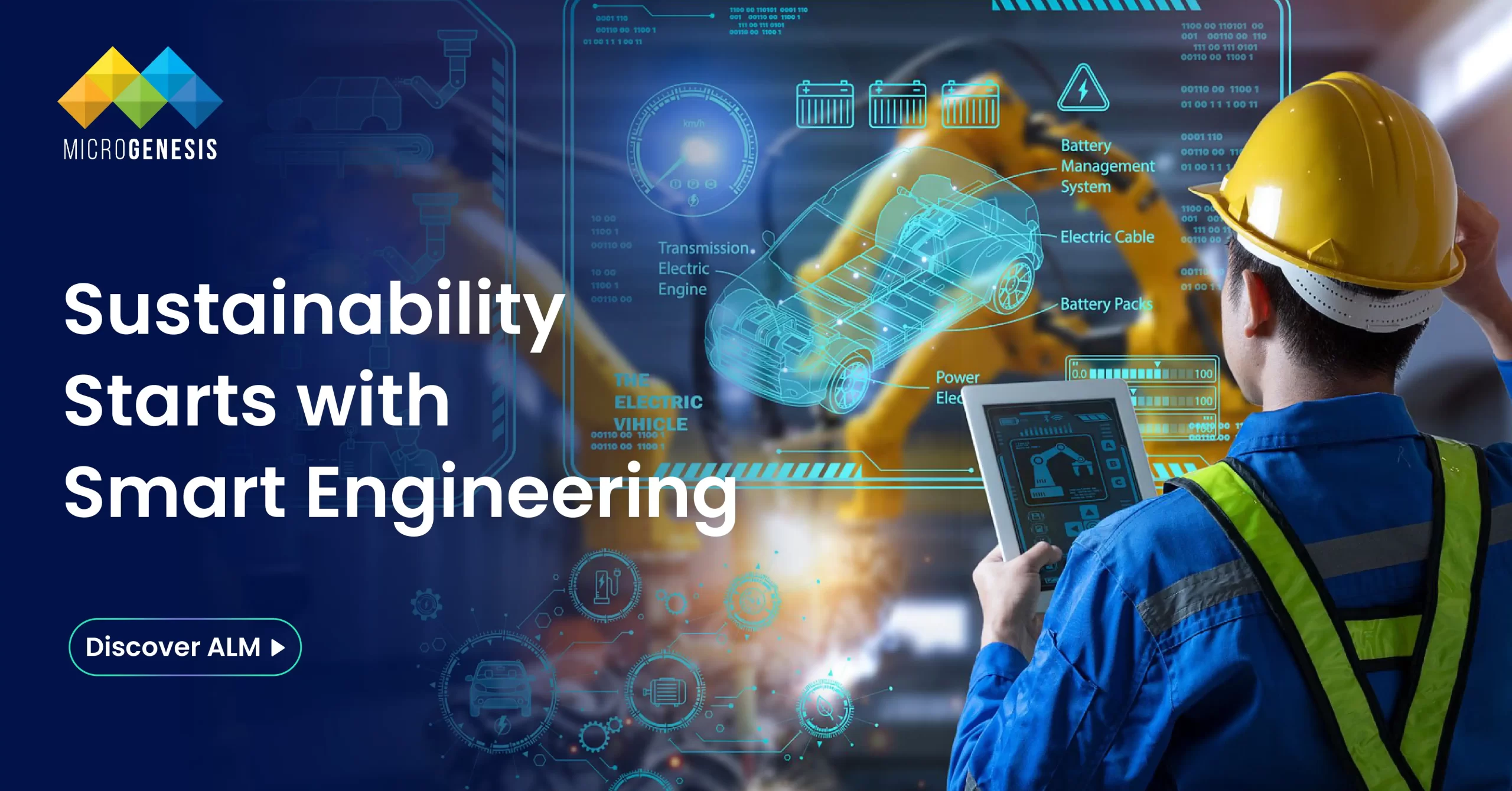
Modern product development faces twin imperatives: innovation and sustainability. As environmental regulations tighten and corporate responsibility becomes non-negotiable, engineering teams must develop products that minimize
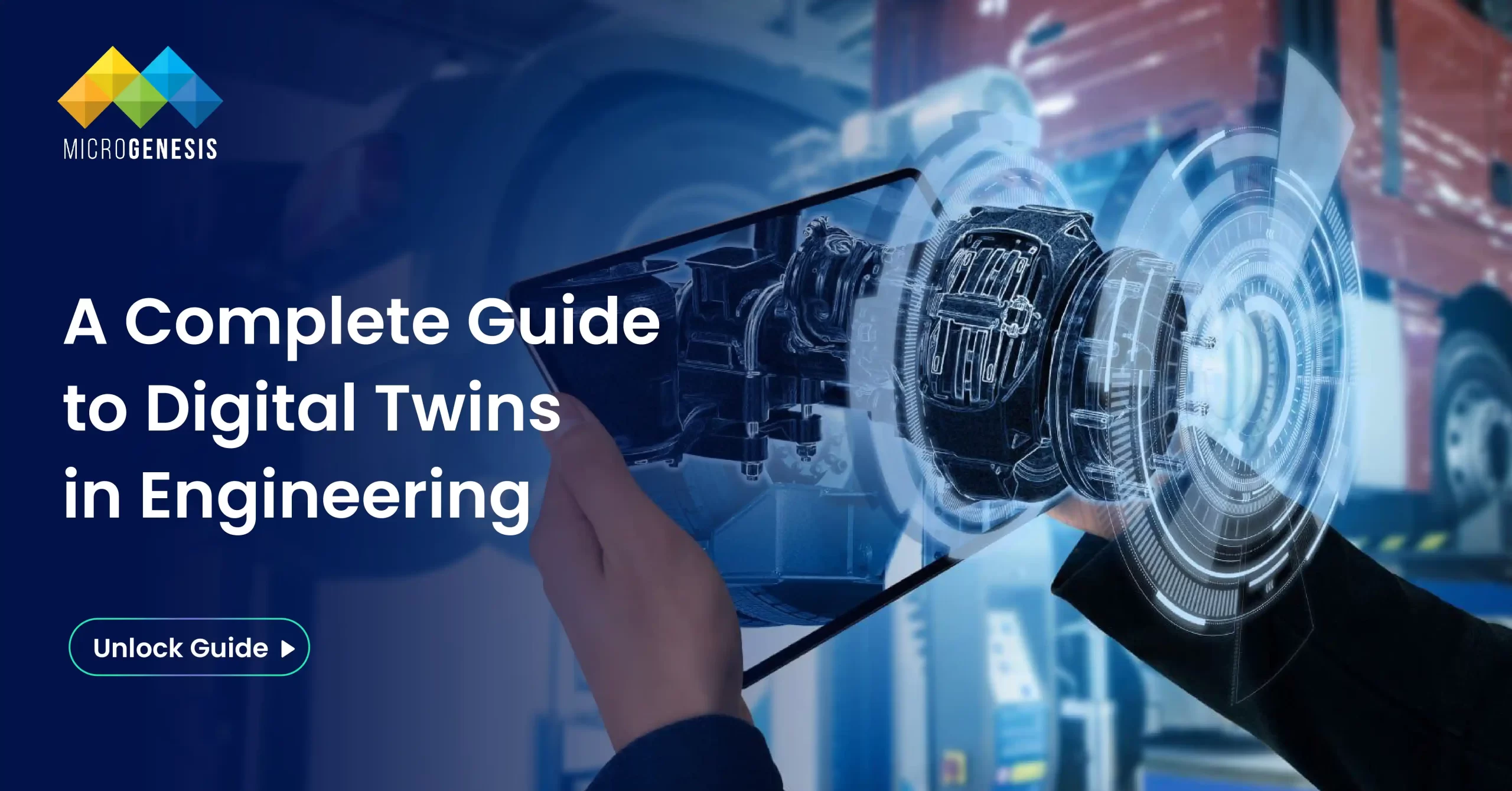
In the rapidly evolving landscape of product engineering, the integration of digital technologies has become paramount. Among these, the concept of the Digital Twin stands
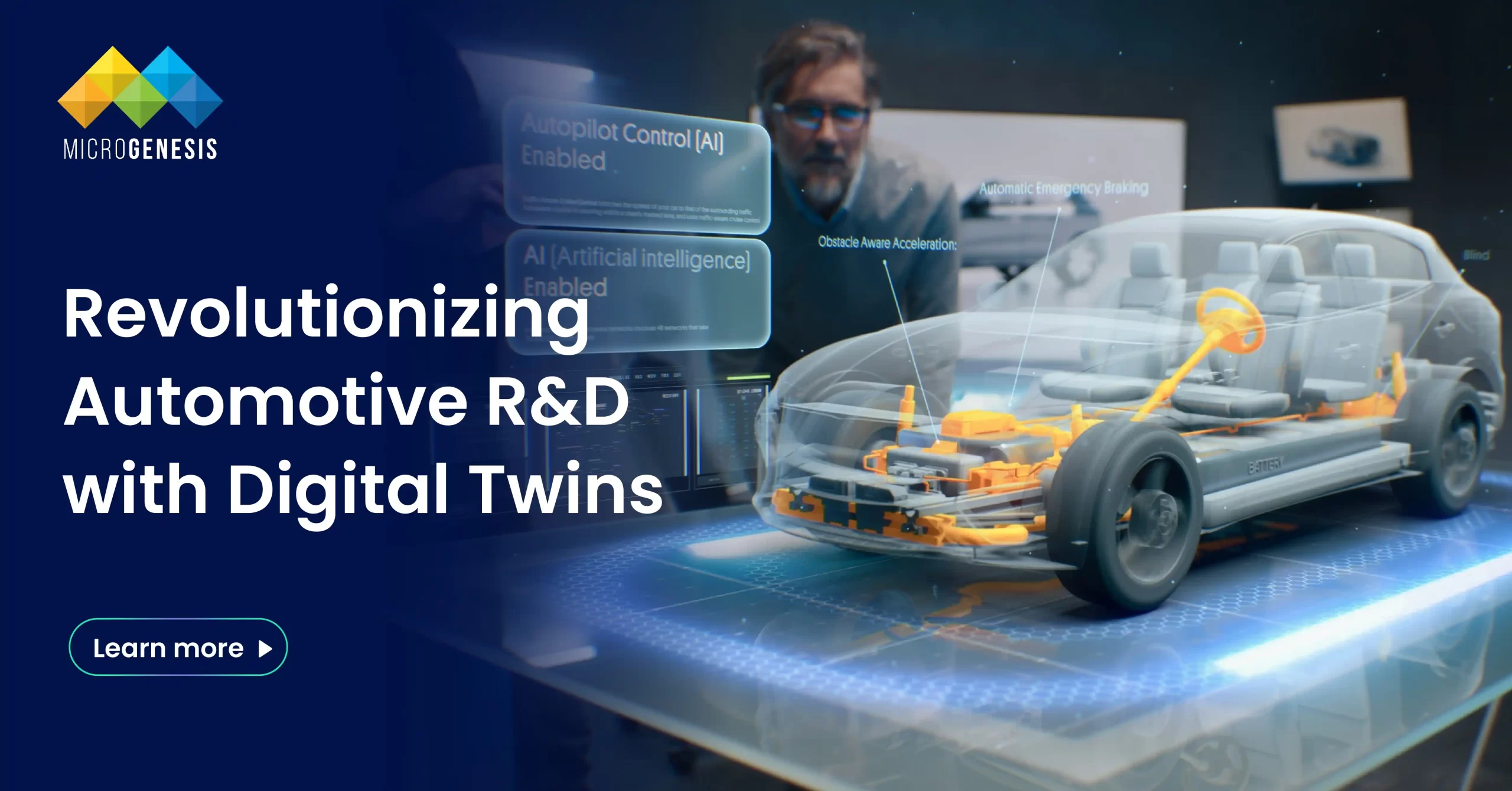
The automotive industry is undergoing a significant transformation, driven by advancements in technology and the increasing demand for innovative, efficient, and sustainable vehicles. One of
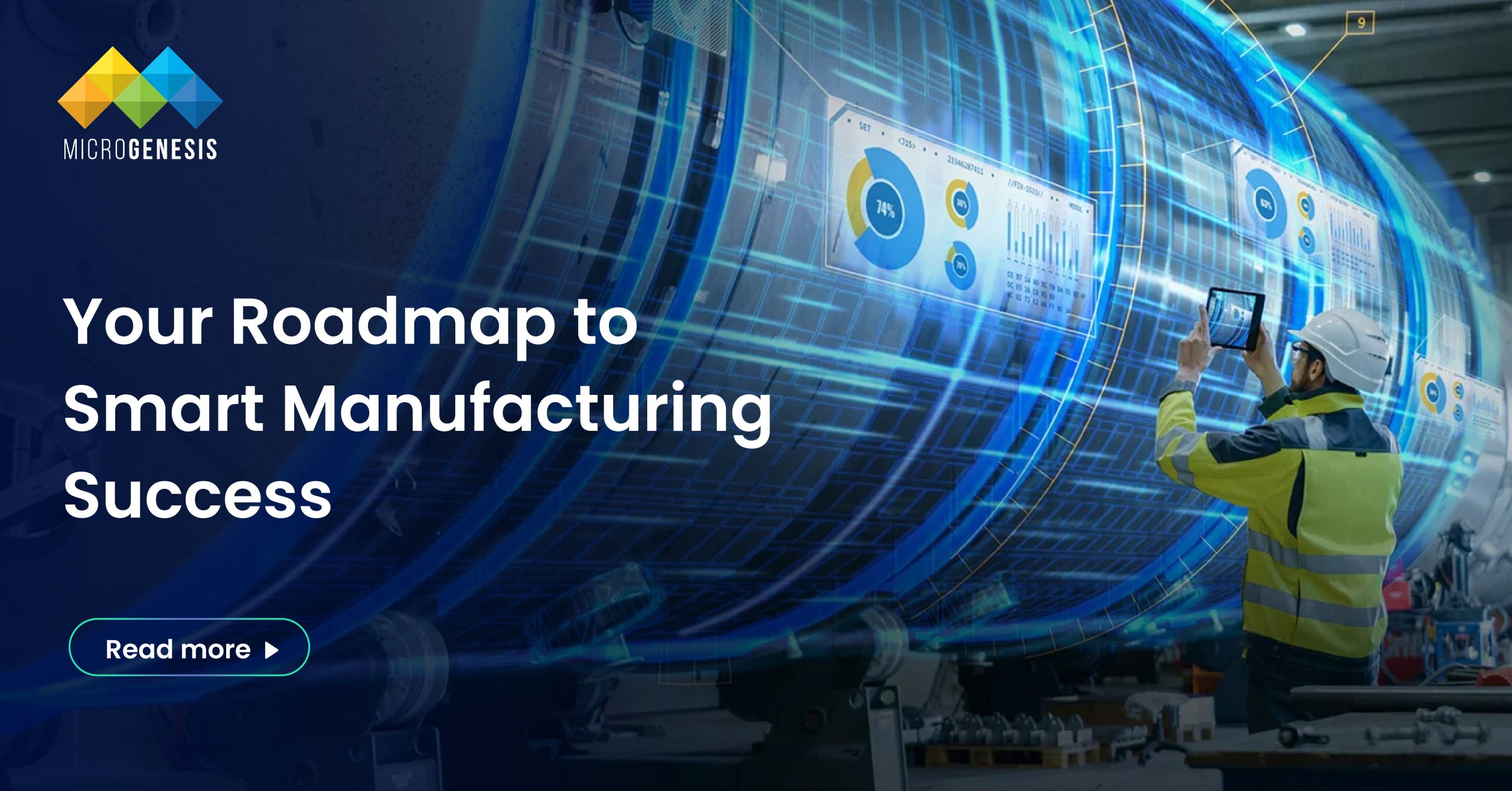
Smart manufacturing — the heartbeat of Industry 4.0 — is revolutionizing traditional industrial practices by integrating advanced technologies like IoT, AI, robotics, big data analytics,
Industry 4.0 — the fourth industrial revolution — is reshaping how products are designed, built, and maintained. It introduces smart factories, interconnected devices, automation, artificial
Requirements management is a cornerstone of successful software and systems engineering projects. However, the process of gathering, analyzing, validating, and maintaining requirements is often plagued
As the automotive industry undergoes digital transformation, Artificial Intelligence (AI) is playing a pivotal role in redefining how vehicles are developed, tested, and maintained. Integrating